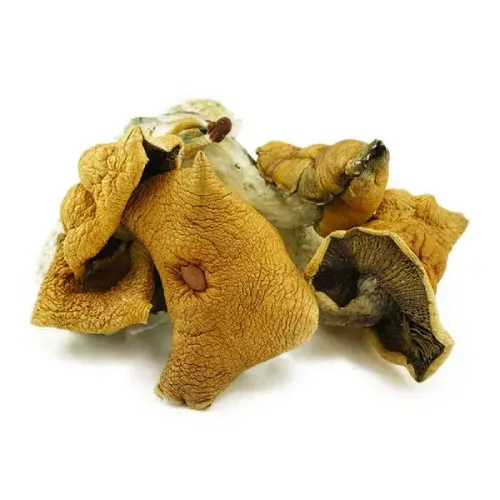
Within the enchanting realm of fungi, few species capture the imagination quite like the intriguing Wavy Cap mushroom. Crowned with a cap that resembles a swirling wave, this unique specimen is a true treasure of nature's artistry. Its mesmerizing appearance often draws the attention of both amateur and expert mycologists alike. Flourishing in a variety of habitats, from verdant forests to shaded meadows, the Wavy Cap mushroom showcases a bold array of colors, extending from deep browns to dazzling oranges.
Identifying Wavy Caps in Your Backyard
Are you looking to discover those fascinating fungi that sometimes pop up in lawns? Recognizing wavy caps can be a interesting experience. These distinct mushrooms often have a characteristic wavy or undulating shape to their tops. They usually emerge on tree stumps, preferring moist conditions. Remember that while some wavy caps are consumable, others can be poisonous. It's always recommended to seek an expert before consuming any wild mushrooms.
If you think you might have found a wavy cap, photograph a picture from multiple angles and notice get more info its features, characteristics, appearance. Use a field guide or online database to help determine the species.
The mesmerizing World of Wavy Cap Fungi
Step into a realm where nature's artistry knows no bounds. The wavy cap fungi, also known as Cortinarius, are a beautiful sight to behold. Their peculiar caps resemble undulating ripples, creating an visual treat that mesmerizes the eye.
These ethereal fungi thrive in humid habitats, often found appearing from wood chips. Their muted hues range from light brown, sometimes adorned with stripes.
Gaze upon their tensile stems, shrinking gracefully toward the ground. A true wonder of the forest floor, the wavy cap fungi remind us that wonder can be found in the most unassuming places.
Unveiling the Secrets of the Wavy Cap Mushroom
The wavy cap mushroom, also known as Marasmius wavycap, is a fascinating species with unexplained qualities. Grown in damp woodlands, these mushrooms are identified by their unique undulating caps and delicate texture.
- Mycologists have long been intrigued by the wavy cap mushroom's intricate biological structure.
- Certain species of wavy cap mushrooms are known to produce unique substances with potential medicinal uses.
- Studies are currently underway to unravel the full possibilities of this puzzling mushroom.
Raising Wavy Cap Mushrooms at Home
Wavy cap mushrooms provide unique and tasty culinary experience. Developing them at home presents a rewarding hobby. With the correct tools, you have the opportunity to grow these beautiful fungi in your personal space.
- Start with a sterile substrate, such as grains, which provides the needed nutrients for mushroom growth.
- Infuse your substrate with wavy cap mushroom spawn acquired from a trustworthy supplier.
- Preserve optimal conditions for growth, typically between 18-24°C.
- Deliver proper water levels to your growing chamber.
- Collect your mushrooms when they reach their full potential, usually within a couple of weeks.
A Forager's Guide to Fan-Shaped Caps
When searching for edible Wavy Caps, remember to focus on vibrant woodland areas. These fungi thrive in humid environments, often nestled among decomposingwood. Take note of their distinctive fan-shaped caps and ivory stalks. A keen eye for detail will help you identify these treasures, making your foraging adventure a successful one.
- Before consuming any wild fungi, it is crucial to authenticate its identity with an experienced forager or through reliable resources.
- Stay clear of foraging in areas that may have been treated to pesticides or herbicides.
- Constantly practice ethical foraging, taking only what you need and leaving the rest for others to enjoy.